


DIER BEWARE –
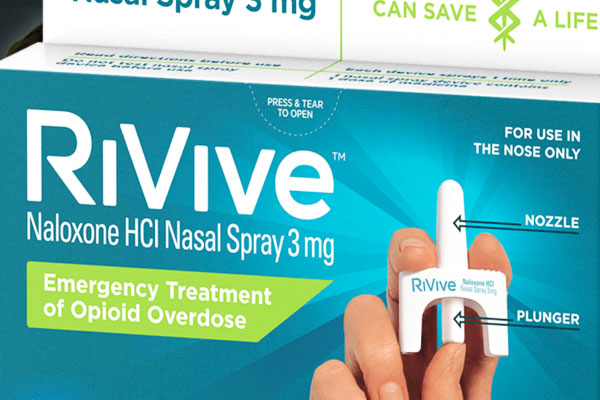
April 2026 – “Our study shows that the current doses of naloxone may not be sufficient to reverse overdoses caused by newer synthetic opioids,” said study lead author Maarten A. van Lemmen, Ph.D., of the Department of Anesthesiology and Anesthesia and Pain Research Unit at Leiden University Medical Center in Leiden, the Netherlands. “We hope these findings encourage institutions to update guidelines and reinforce the importance of fast emergency intervention.”The study, that included 30 participants, found that while naloxone can be lifesaving, a single dose may not always completely reverse respiratory depression caused by powerful synthetic opioids. The study tested naloxone’s effectiveness in both people who had never used opioids and those who used them every day.
Fentanyl and fentanyl-like drugs now account for the majority of overdose deaths in the United States, with estimates ranging from 60% to 79%. Because these drugs bind more tightly to opioid receptors, they can be harder to reverse with a standard dose of naloxone, especially in people exposed to high levels or more potent drugs.
The study authors emphasize:
Because naloxone is less reliable against stronger opioids, it is vital to call 911 immediately when an overdose is suspected, even if naloxone has been administered.
The effects of naloxone may wear off quickly, and additional doses may be needed to keep the person safe until medical help arrives.
Current overdose response guidelines were developed for older, weaker opioids, so there is an urgent need to update practices and design better tools as opioid misuse continues to change.