


SCIENCE MATTERS –
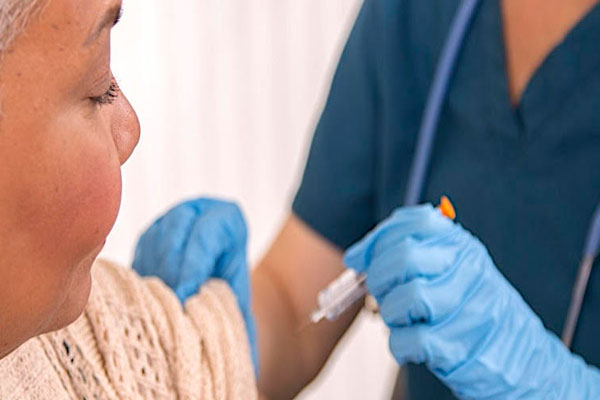
Dec. 5, 2025 – “Because the vaccine is safe, affordable, and already widely available, this finding could have major implications for public health,” says epidemiologist Haroon Ahmed. “More research is needed to test our work and understand more about the potential protective effect the vaccine offers against dementia, particularly how and why it works.” The Welsh vaccination program rolled out more than a decade ago by the UK National Health Service gave researchers the opportunity to analyze a randomized clinical trial, without actually running one: to ration vaccines, those aged 79 could get it, while those aged 80 couldn’t.
That quirk meant that the effects of the vaccine could be studied in two very similar groups, with an age difference of just one year between them. It goes a long way to reducing the influence of other factors that play into dementia risk, such as education level or other medical conditions.
Of the 14,350 people diagnosed with dementia prior to the start of the vaccine program, about half died of the condition within nine years. Being vaccinated against shingles made this nearly 30 percent less likely, according to the analysis, suggesting a significant level of protection.
The researchers also found that the vaccinated participants were less likely or slower to develop mild cognitive impairment, a common precursor to dementia. Combined with the earlier findings that the vaccine reduced the risk of dementia starting at all, these are encouraging signs.