


HOW SWEET IT ISN’T –
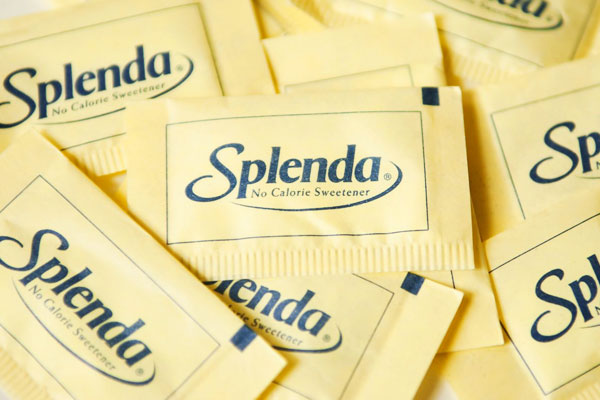
Oct. 28, 2025 – Regulators approved sucralose decades ago. Those studies predated modern toxicogenomics, the study of how genes respond to chemical exposure. The new findings suggest the tests used for sucralose may have missed subtle but important genetic changes If confirmed by independent teams, these results could trigger a re-evaluation of the sweetener’s safety status.
Agencies often revisit food additive approvals when new molecular evidence points to genotoxicity or metabolic interference. A risk review would compare exposure levels in actual diets with the lab concentrations that caused DNA damage and barrier breakdown.
Check labels and choose products that match your preferences. If you are on drugs processed by cytochrome P450, liver enzymes that process many drugs, ask your clinician about diet.
People who prefer to minimize artificial sweeteners can switch to unsweetened options. Anyone with questions about diet and medications should consult a health professional.
Small changes add up when you repeat them every day. Choosing water more often can lower any exposure without much fuss.
Researchers also need clear human data to test real world exposure. Those studies can look at blood markers, gut leak, and timing.