



SAME AS MORPHINE? –
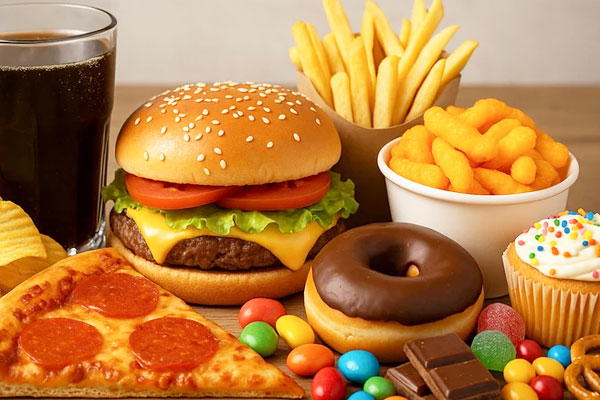
Aug. 22, 2025 – Researchers have long suspected that ultra-processed foods – such as packaged snacks, sugary beverages, and fast food – have addictive qualities. A growing body of evidence now indicates that these products can provoke behaviors traditionally associated with addiction, including bingeing, withdrawal, and cravings. Decades of neurochemical, behavioral, and clinical research suggest that ultra-processed foods act on the brain’s reward system in ways comparable to addictive substances like alcohol and drugs. While neuroimaging studies, including a recent PET scan analysis, have sometimes failed to detect a definitive “addiction signature,” experts caution that imaging alone cannot capture the full picture.
The recent PET imaging study raised doubts about whether ultra-processed foods meet the strict neurological criteria for addiction. But Dr. Nicole Avena of Mount Sinai and her colleagues argue that such conclusions risk oversimplifying a complex issue.
“The absence of a specific brain ‘addiction’ signature on imaging does not invalidate the compulsive, reward-driven behaviors linked to these foods,” Avena said. “The research on ultra-processed foods and their negative impact on health is not new—we’ve had compelling evidence for over two decades.”