



KEEP IT REAL –
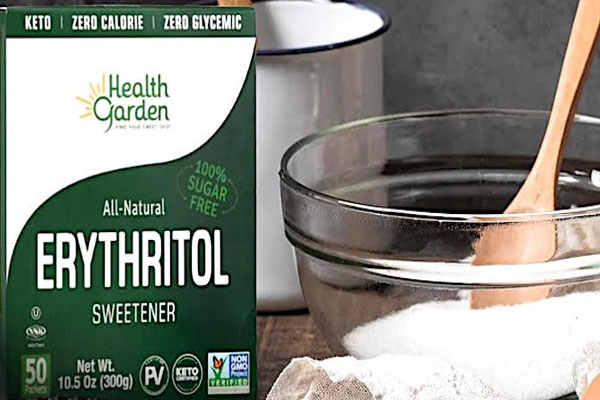
July 18, 2025 – Research indicates that erythritol, a sugar substitute commonly recommended for individuals with obesity or diabetes, may carry unexpected health risks. From low-carb ice creams and keto-friendly protein snacks to “sugar-free” sodas, erythritol is a widely used sweetener found in countless diet and specialty food items.
However, new findings from the University of Colorado Boulder suggest that this commonly used sugar substitute may carry unexpected health risks. According to the research, erythritol can affect brain cells in ways that may increase the likelihood of stroke.
The study was published in the Journal of Applied Physiology
“Our study adds to the evidence suggesting that non-nutritive sweeteners that have generally been purported to be safe, may not come without negative health consequences,” said senior author Christopher DeSouza, professor of integrative physiology and director of the Integrative Vascular Biology Lab.
Erythritol, a sugar alcohol that was first approved by the Food and Drug Administration in 2001, is typically made by fermenting corn. It is found in hundreds of products and is popular for several reasons. It contains nearly no calories, delivers about 80 percent of the sweetness of regular sugar, and has little effect on blood sugar or insulin levels. These traits make it especially appealing to people focused on weight loss, low-carb diets, or blood sugar management.