



HAPPINESS –
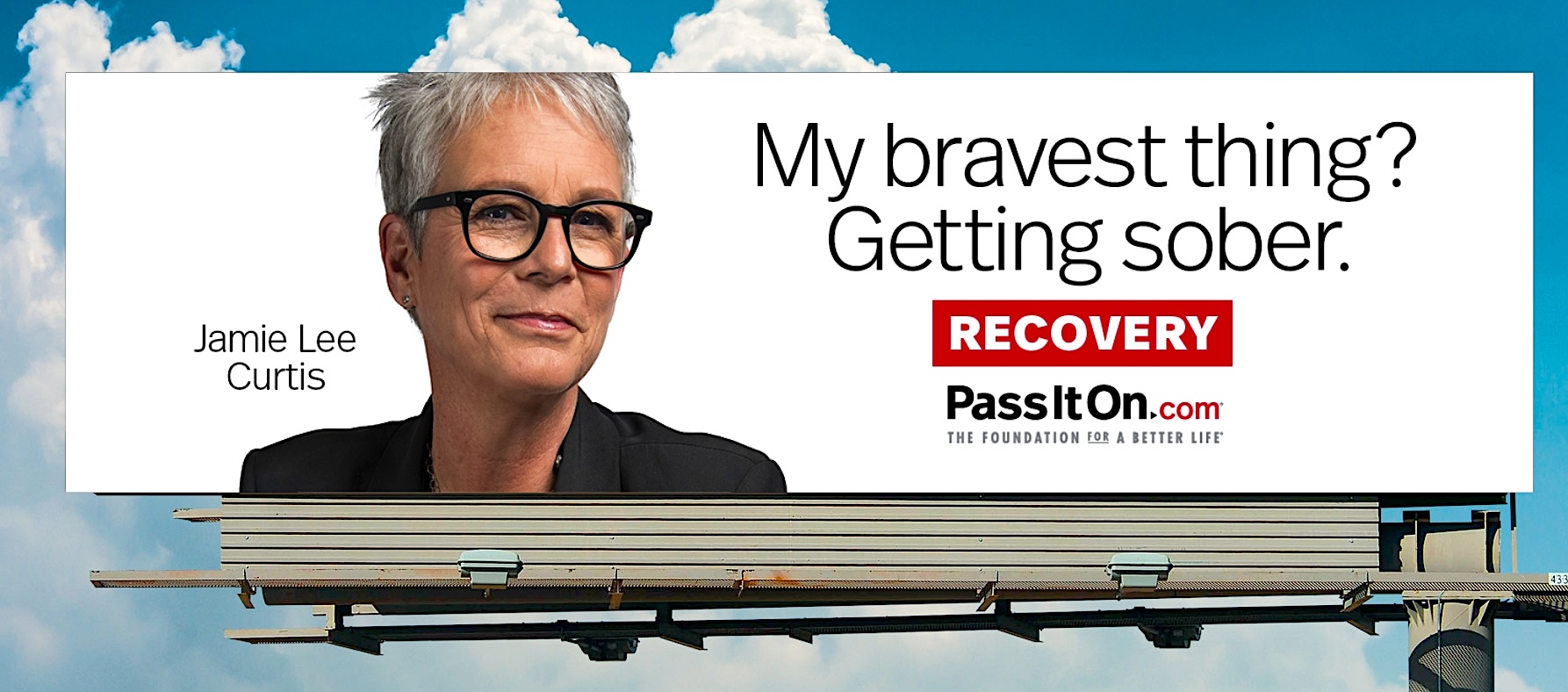
Dec. 1, 2025 – Recovery from a substance use disorder has traditionally been conflated with “sobriety,” or total abstinence. In reality, many people recover while continuing to use drugs, but in safer, more moderate or more manageable ways that enable them to move on positively with their lives.
Holistic definitions of recovery have sought to reflect this, as many more people, including government officials, recognize the problems of an abstinence-only model.
A new study published in the journal Addiction reviewed 90 unique patient-reported outcome measures (PROMs)—questionnaires issued by providers, where people undergoing treatment report their physical health, relationships to substance use, quality of life and other important indicators.
Most notably, only two of the 90 PROMs were clearly developed with substantial input from directly impacted people.
While PROMs can promote a multidimensional understanding of recovery, they also have severe shortcomings. Most notably, only two of the 90 PROMs that the authors discovered were clearly developed with substantial input from directly impacted people.