


IT’S ALL IN YOUR HEAD –
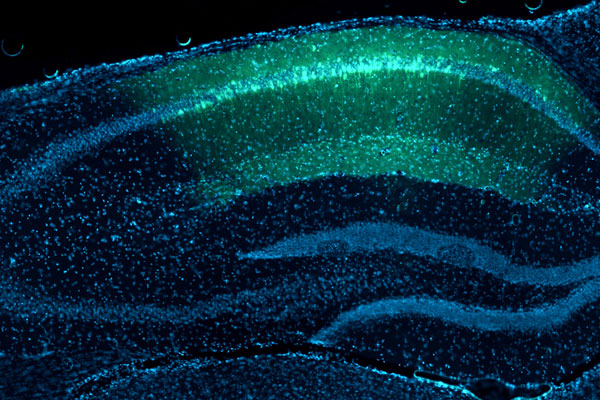
June 11, 2025 – In the case of addiction, memories of rewarding experiences, like using drugs, are often tightly tied to spatial locations. “Someone who first uses drugs at a concert might always be triggered to seek out drugs when they’re at a concert … And that can be a big problem because it causes people in recovery to relapse when they encounter those triggering environments,” Giocomo said. That could be because the link between the reward map and the spatial map created by the powerful drug is unhealthily strong.
Understanding the neural links between spatial information and rewards could ultimately lead to therapies that weaken these links and help people overcome cravings brought on by specific locations. Conversely, therapies that strengthen the links could help people living with dementia.