


FLUSH WITH FALSE HOPE –
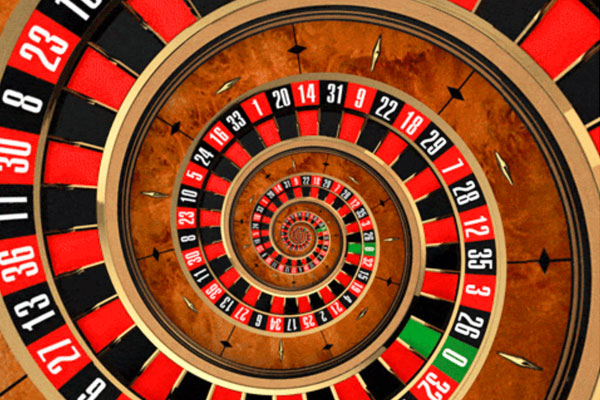
Sept. 15, 2025 – Gambling addictions can push people into debt and fuel mental health crises. Studies show people with such addictions are at higher risk for depression and suicide.
Psychologists once labeled excessive gambling as compulsive, but now recognize it as an addiction since repeated exposure builds tolerance and demands more play to feel the same excitement.
Casino game designers have exploited a brain quirk first identified by psychologist B.F. Skinner, who studied animals confined in boxes with levers for food. He discovered animals pressed levers more when food arrived randomly. That same desire for unpredictable rewards keeps us hooked on games. “When we don’t know when, or even if we’re going to win, that adds to that thrill — that build up of dopamine,” Brian Mullan, a local therapist specializing in treating people with gambling addiction, tells Axios.