Bill W. Died an Addict, You Don’t Have To By Burl Barer
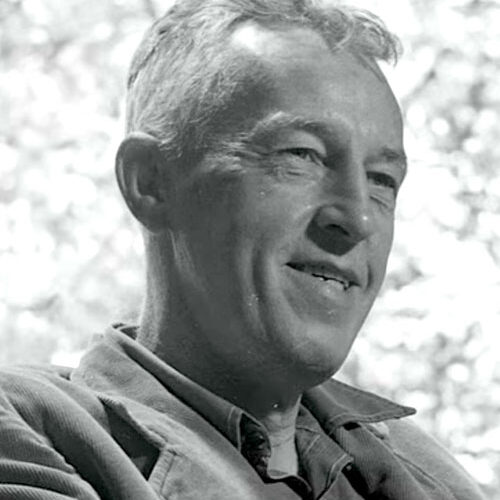
Bill W., co-founder of Alcoholics Anonymous, died in active addiction. Ignoring his doctor’s warnings, Bill continued consistent use of an addictive drug known, because of its delivery system, to cause the exact condition that claimed his life in 1971.
Bill W. died of emphysema and pneumonia, a direct result of his years chain smoking cigarettes loaded with nicotine, a highly addictive substance. It wasn’t the nicotine that killed him., but the delivery method: combustible tobacco smoke.
Considering all we know about the health dangers of smoking, why did Bill W. continue chain smoking himself to death? He certainly was advised by his doctor to give up his cigarettes, so why didn’t he use the method by which he quit drinking to also quit smoking?
The answers are not shrouded in mystery but are easily discerned by simply looking at two factors: the attitude of Alcoholics Anonymous towards smoking and recovery, and research information not available during Bill W’s lifetime.
HOW BILL SAW IT
In Bill’s lifetime, AA was advised to not make an issue of smoking, as attempting to quit would add additional stress to the alcoholic attempting to stay sober one day at a time. Recovery was challenging enough without the added burden of nicotine withdrawal. Nicotine, being a drug, was an “issue other than alcohol,” and outside the declared purpose of the AA Fellowship. There was no such thing as a smoke free AA meeting until over a decade after Bill’s death.
Narcotics Anonymous, patterned after the AA Twelve Step program, focused on recovery from opioids. NA meetings were also 100% smoke filled during Bill’s lifetime. This should come as no surprise. Airlines still allowed smoking on flights of various lengths until they were eliminated altogether in 1990.
Treatment centers such as the famous facility named for founder, Betty Ford, similarly didn’t address the role smoking cessation played in recovery from substance use disorder until the recent publication of three research studies showing a direct link between recovery and smoking cessation.
All three showed that stopping smoking increased the odds of recovery by as much as 42 times.
More people with addictions die from smoking-related causes than alcohol or their substance use disorders. Hence. it is now firmly established that changing status from current to former smoker improves recovery from all addictions.
COMPLETE NICOTINE ABSTINANCE VS. HARM REDUCTION
As previously mentioned, while nicotine is physiologically addictive, the health damage from smoking isn’t caused by the nicotine but by the smoke from combustible tobacco.
While nicotine is mainly associated with the harmful effects of smoking, it can also offer certain benefits. These include increased levels of alertness, euphoria and relaxation, improved concentration and memory, reduced anxiety, and increased fluidity of word usage. Not everyone who wants to quit smoking also wants to quit nicotine 100%.
The well-known nicotine patch, used to help people stop smoking, delivers just enough nicotine to retain the desired effect of nicotine while reducing cravings and stopping symptoms of withdrawal.
Sadly, Bill W. didn’t realize that his recovery would be better, and he would live longer, if he quit smoking when he quit drinking. It was not only his loss, but ours as well because we were deprived of perhaps another decade of his wisdom, insights and inspiration. No doubt there are AA old timers who retain mental images of Bill the way they remember him: making an emphatic statement about the 12 Steps punctuating his pontifications by poking the air with his ever-present cigarette while simultaneously clutching one of his six-to-ten daily bottles of Coca-Cola.
For all his exemplary wisdom, don’t follow his health care example. Don’t let your recovery go up in smoke.
Subscribe Today! Your best source of current news, information and opinion about the issues that matter to you most. Serving the treatment industry, recovery community and health and wellness professionals.