


A TOXIC COMBINATION –
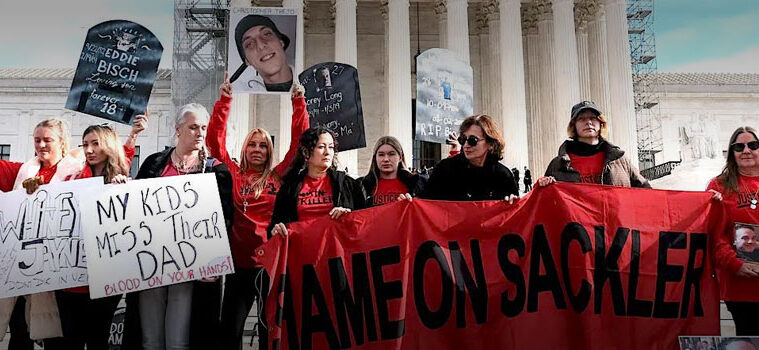
Jan. 9, 2025 – One of America’s most infamous corporate characters just made its final curtain call. The $7 billion bankruptcy deal approved over the holidays for Purdue Pharma and its billionaire owners, the Sackler family, includes compensation for individuals harmed by OxyContin® from $3,500 to $16,000, available to anyone who filled out the right paperwork a long time ago and who promises not to sue. The payments might begin as soon as this March.
Purdue, with a new name (Knoa Pharma) and under new management, gets to re-dedicate itself now to treating opioid addiction. As an ER doctor also board-certified in addiction medicine, I’ve spent years reviving (or failing to revive) people who’ve overdosed on fentanyl or heroin or oxycodone, and who, more often then not, first got hooked on opioids via a prescription from a doctor.
I’ve also spent years commiserating with other doctors about how, back in the day, we were set up to fail our patients, thanks to a confused mishmash of nonsense about how no one gets addicted to modern opioid therapy anymore. Yet even today — after all of the multi-billion-dollar settlements and lawsuits, after hundreds of thousands of overdose deaths, after hearings and speeches in Congress — few people seem to really understand how coldly and methodically Purdue (and other opioid manufacturers, but especially Sackler-led Purdue) worked at getting people addicted. They focused in marketing and sales trainings on the need not just to convince doctors to start patients on opioids, but to keep them on opioids, and at the highest achievable doses.