


STIGMA SUCKS –
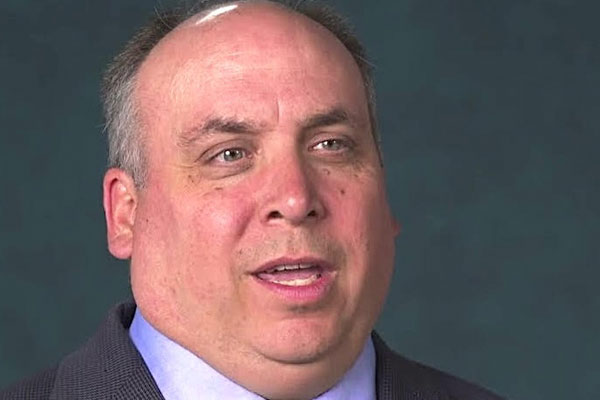
Dec. 18, 2025 – From a business perspective, the gap is staggering. “Fifty-four million Americans today suffer from substance use disorder,” Driscoll says. “But there’s only about 12 million that are actually getting any type of treatment.” And most of that treatment is little more than a day or two of services—hardly enough to shift a lifelong disease.In any other industry, this would qualify as a massive, underserved market. “What would you do if you had a product that 54 million people needed, but only at best 20% are accessing?” he asks. “Wouldn’t you say, what can I do to lower the barrier?” Caron tries to answer that question by offering comprehensive treatment, including medical detox, residential care, and long-term recovery support, rather than short, episodic interventions.
From an early age, Driscoll understood he had a talent for reading people. That impulse led him to study psychology in college. He wanted to understand why they behaved the way they did and help them lead more rewarding lives.
An internship at a homeless shelter for women on Chicago’s South Side gave him a crash course in reality. He saw firsthand the devastating effects of crack cocaine addiction. “I was working with women who were literally selling their bodies in the back alley for a dime bag of crack and had lost custody of their children.”