


NOT GOOD –
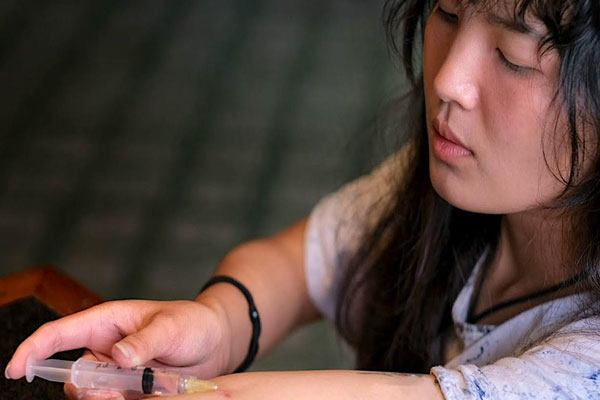
Dec. 12, 2025 – The teen brain isn’t fully baked yet. That prefrontal cortex, which handles choices and brakes on impulses, develops until age 25. Drugs hijack this wiring, making highs feel urgent and dangers seem small. Why does this matter? A 16-year-old might think, “One hit won’t hurt,” … but their brain locks in the habit fast. Reward centers light up stronger in youth, turning curiosity into craving.
Risk feels abstract to them. They chase the buzz without seeing the crash. Science backs this: fMRI scans show adolescents underestimate overdose odds by half. Education on brain facts can shift mindsets before trials begin.
Parents set the tone at home. Talk openly about drugs without yelling—share stories of real risks. Set rules like no unlocked meds and praise good choices.
Model calm coping too. Instead of stress-eating or drinking, try walks or games together. Programs like Families Facing the Future teach these skills, cutting teen use by 30% in trials.
Watch for red flags early. If a child seems withdrawn, ask gently. Strong bonds make kids less likely to hide troubles or seek fixes elsewhere.