



LOOK BACK – SEE FORWARDS –
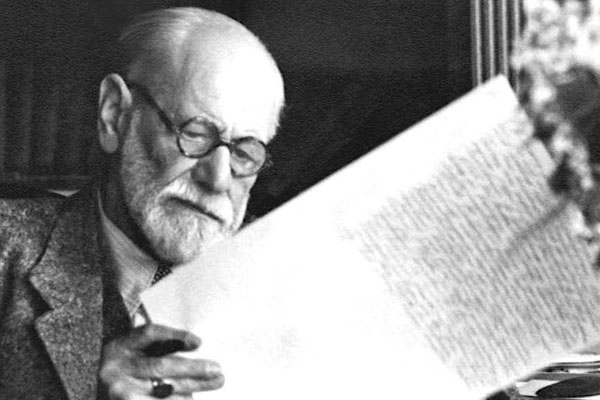
July 4, 2025 – Sigmund Freud´s drive theory, often (and erroneously) referred to as his theory of the instincts, was an early attempt to describe the motivations behind both healthy and mentally ill individuals. In his final formulation, Freud identified two main categories of drives: life drives (which he termed Eros), encompassing physiological drives, and a set of … inherent impulses, including self-destructive tendencies (which he called “death drives”), with masochism -a form of auto-addictive disorder -as a prime example.Freud´s drive theory was developed with the framework of a 19 th -century medical mind-set, but this model has since been up-dated in various publications using advanced data from neuroanatomy, (neuro)endocrinology and biochemistry. Modern research has shown that all physiological drives (i.e., hunger, thirst, sleep, sexual drive and attachment) are regulated in key brain regions, including the nucleus accumbens and lateral hypothalamus, by neurotransmitters like dopamine and 5-hydroxytryptamine. These, in turn, stimulate the release of b-endorphin, maintaining its levels within physiological norms.Importantly, nearly all forms of addiction are associated with altered b-endorphin levels, and one or more essential drives are disrupted. Since addictive behaviors often aim to restore bendorphin levels to normal, addiction -whether behavioral or substance-related -acts, from the perspective of an up-dated Freudian drive theory, as a surrogate for malfunctioning drives.